Museum Theft Insurance: Lessons from São Paulo and Louvre Heists
In late 2025, two of the world’s most prestigious cultural institutions the Mário de Andrade Library in São Paulo and the Louvre Museum in Paris suffered bold daylight thefts that grabbed global headlines. Beyond sensational news, these incidents highlight evolving risks for museums, galleries, libraries, and other institutions housing high-value assets. For retail agents and brokers, they underscore the critical role of museum theft insurance and cultural property risk management.
These thefts show that even well-secured institutions are vulnerable. Criminal methods are growing more sophisticated, and the stakes are higher than ever. Understanding these trends is essential for professionals advising clients on fine art insurance and complex property coverage.
High-Profile Heists and Their Implications
On December 7, 2025, two armed thieves entered the Mário de Andrade public library during open hours. They overpowered a security guard and removed eight rare Henri Matisse prints and several engravings by Candido Portinari, all part of a temporary exhibition. Despite cameras, alarms, and steel cables, the thieves escaped quickly. Authorities later apprehended one suspect, but the incident exposed significant gaps in physical security.
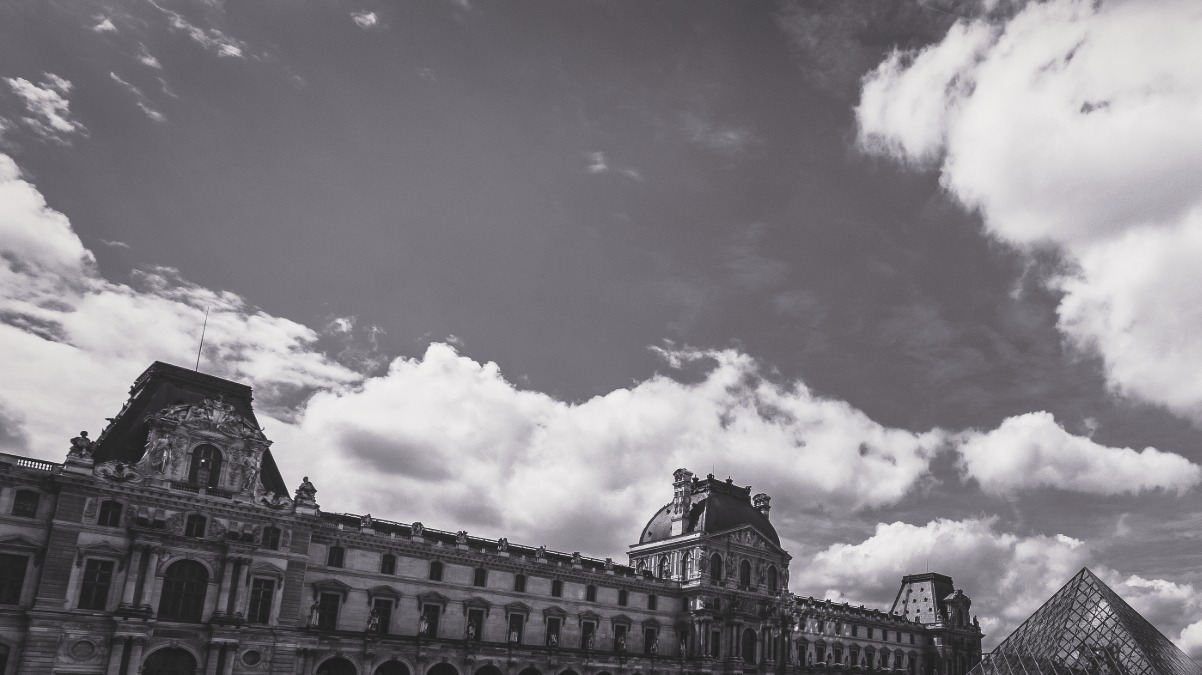
Similarly, the Louvre experienced a high-speed heist in October 2025. Disguised as maintenance workers, thieves accessed the Galerie d’Apollon and removed several French Crown Jewels within minutes. Investigations revealed security blind spots that allowed criminals to act with minimal resistance, highlighting that even the most sophisticated systems are not foolproof.
These events demonstrate that traditional risk assumptions such as thefts occurring only after hours no longer hold true. Criminals are increasingly bold, and high-value assets are prime targets.
Why Retail Agents and Brokers Should Take Note
Museum thefts are more than dramatic news stories; they reveal critical trends in cultural property risk. Crime exposure is increasing as asset values rise globally. Institutions must recognize that insurance alone cannot prevent theft, but it provides essential financial protection when loss occurs.
For agents and brokers, advising clients means taking a proactive role in risk management strategy. Security measures must be layered and regularly updated, combining surveillance technology, trained personnel, and operational procedures. Insurance policies must match these efforts with comprehensive coverage for fine art, cultural property, and in-transit exposures.
Even when artworks are insured for their full value, the impact of theft extends beyond financial loss. Reputational damage, mission disruption, and cultural loss can be significant, particularly for publicly funded institutions. This creates opportunities for agents to guide clients on holistic risk planning, combining protection and prevention.
Emerging Trends in Cultural Property Risk
High-profile thefts like those in São Paulo and Paris highlight several key trends relevant to insurance professionals:
• Rising Valuations and Growing Exposure: As artwork and cultural assets increase in value, losses become more financially and reputationally significant.
• Daylight and Public-Area Heists: Thieves are targeting assets during public hours, exploiting crowds and hesitation. Traditional assumptions about timing and opportunity are no longer sufficient for underwriting.
• Neighborhood and Environmental Factors: Institutions in high-crime or dense urban areas face higher risk. Understanding local crime patterns and environmental factors can influence both security planning and insurance solutions.
Insurance Solutions for Museums and Cultural Institutions
Effective museum theft insurance and cultural property coverage go beyond basic protection. Policies should account for temporary exhibitions, loaned works, transit risks, and coverage for both internal and external theft. Crime endorsements, including violent theft and employee dishonesty, are increasingly relevant, as are terrorism and political violence extensions for high-profile sites.
Proactive risk management, including security consulting and professional assessments, can also improve underwriting outcomes. Accurate, updated valuations are critical, ensuring policy limits align with the true replacement cost of high-value assets.
The Role of Agents and Brokers
Agents and brokers play a vital role in guiding institutions through these evolving risks. By educating clients about emerging threats and changing crime patterns, professionals add value beyond policy placement. Collaborating with risk management consultants, regularly reviewing asset valuations, and tailoring coverage for exhibitions or international loans helps ensure clients remain protected against both financial and reputational loss.
Using data on prior thefts, local crime, and environmental risks strengthens submissions and positions agents as trusted advisors in cultural property risk.
Turning Museum Theft Into Insight and Opportunity
The São Paulo and Louvre thefts are a clear reminder that high-value institutions are vulnerable to increasingly sophisticated criminal activity. For retail agents and brokers, these incidents emphasize the importance of combining fine art insurance, cultural property risk expertise, and proactive risk management strategies.
OIA Insurance Solutions works with retail agents and brokers to provide global market access, underwriting insight, and submission guidance for complex cultural property accounts. By helping clients navigate these evolving exposures, insurance professionals can ensure that high-value assets are protected while maintaining institutional resilience.
Your Next Coverage Solution Starts Here

.png)